May 19, 2025
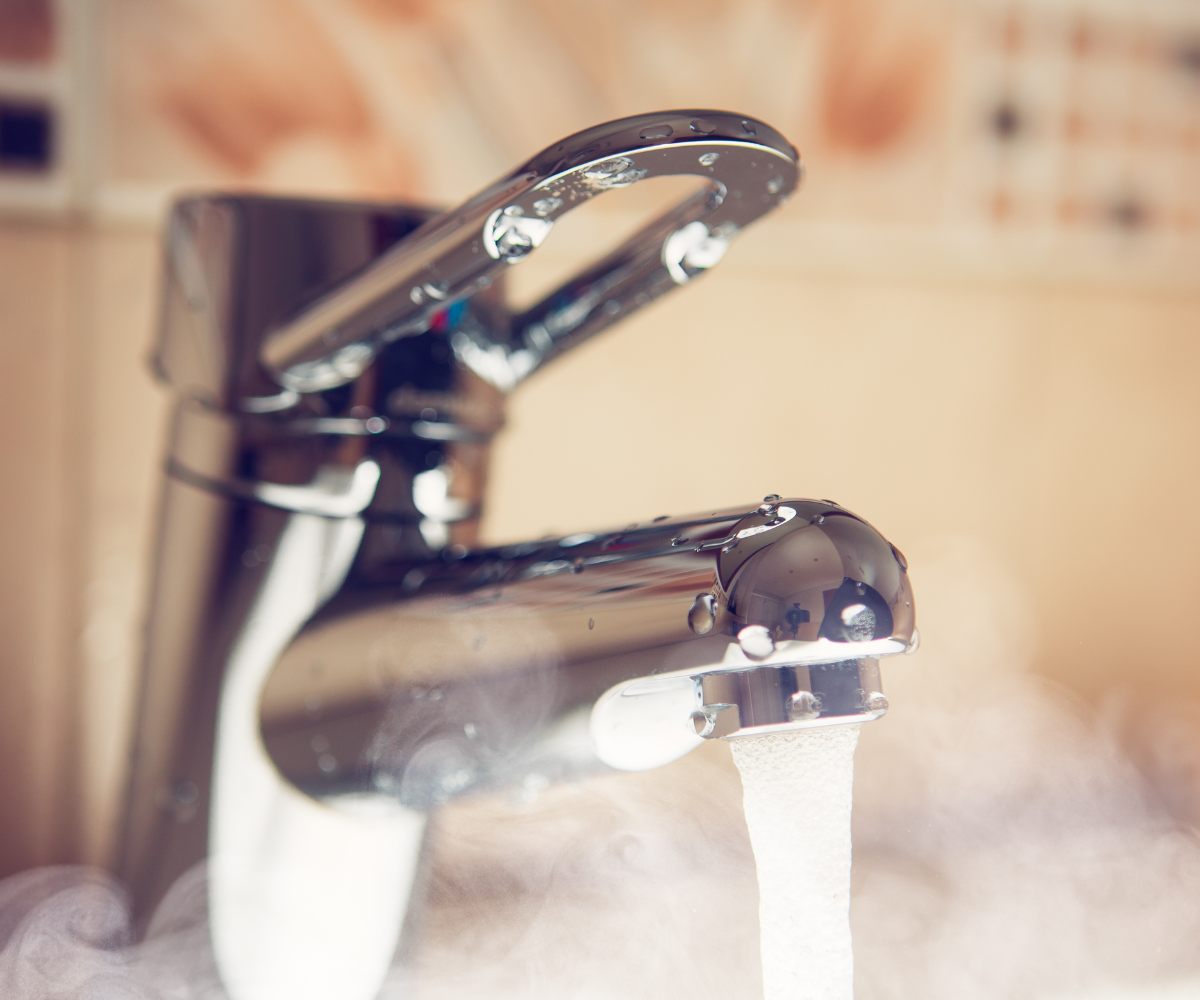
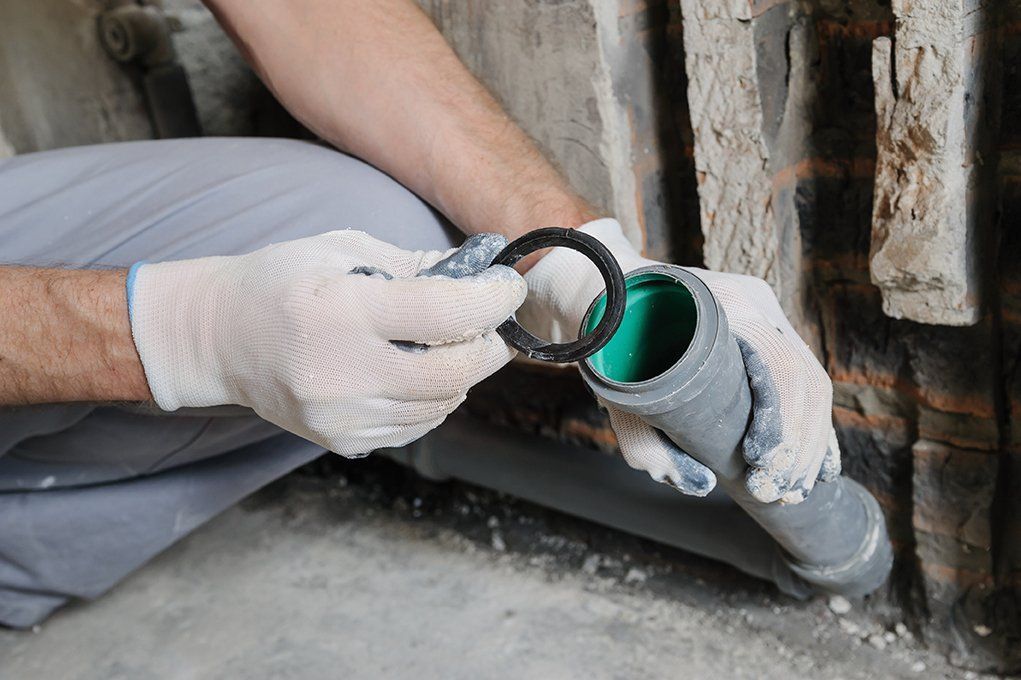
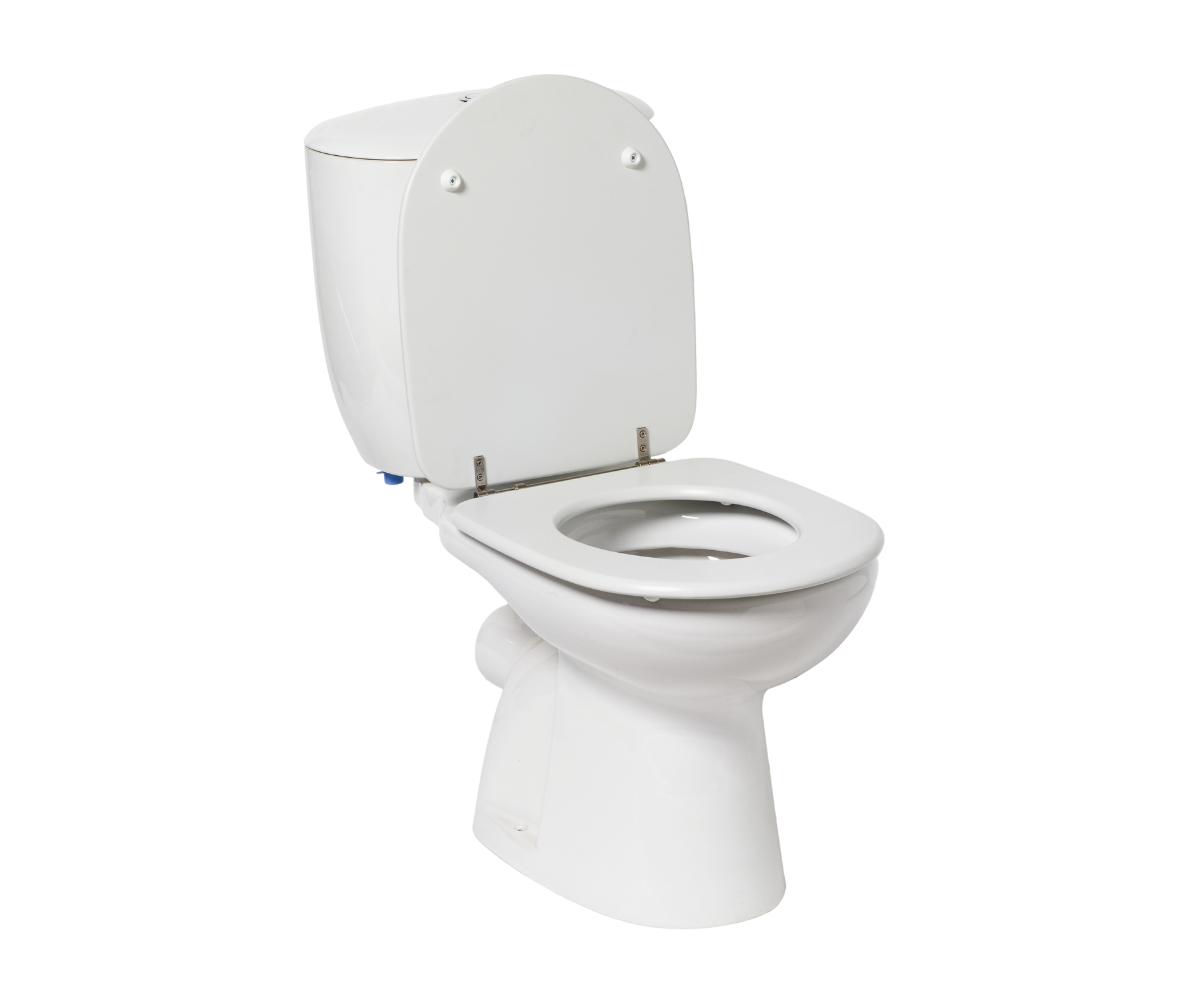
Plumbing emergencies rarely occur at convenient times. One moment, everything seems fine, and then suddenly, a pipe bursts, a toilet overflows, or water starts pooling where it shouldn’t. Taking quick and informed action during the initial moments of a plumbing emergency can significantly reduce damage and ease stress before a professional arrives. Below are ten typical plumbing emergencies along with practical steps homeowners can take to manage each situation. 1. Burst Pipe A broken pipe is one of the most serious plumbing issues because it can lead to significant water damage. When you notice water flowing or leaking heavily, your top priority should be turning off the main water supply to prevent further flooding. Once the water is shut off, opening nearby taps can help release any remaining pressure within the plumbing system. Use towels or buckets to collect water, and keep the area clear to avoid electrical hazards. 2. Overflowing Toilet An overflowing toilet can create panic, especially if water is spilling over the edge. Quickly take off the tank lid, press the flapper down to stop more water from entering the bowl, and lift the float to halt the refill process. Then, turn off the shut-off valve located behind or below the toilet. Avoid flushing again until the issue is properly addressed. 3. Water Heater Malfunction Whether there’s a leak, no hot water, or unusual noises, a malfunctioning water heater can be a serious concern. If a leak occurs, start by turning off the power supply—switch off the circuit breaker for electric units or close the gas valve for gas-powered ones. Then, shut the cold water inlet valve to prevent more water from entering the tank. Keep away from standing water near electrical components. 4. Leaking Faucet or Shower Head While not as dramatic as a burst pipe, a leaking faucet or shower head can waste a surprising amount of water and indicate a deeper issue. Turn off the water supply leading to the specific fixture and use a towel or container to collect any dripping water. Such leaks often indicate that washers, seals, or fittings may be worn and require repair. 5. Clogged Sink or Bathtub Standing water in a sink or tub usually means a clog in the drain. Avoid using chemical drain cleaners, especially if water isn’t draining at all—they can worsen the blockage or damage pipes. Try clearing the clog with a plunger or a hand-operated drain snake. If the blockage remains, best to contact a licensed plumber for further assistance. 6. Sewer Backup A strong smell of sewage, bubbling toilets, or multiple clogged drains can signal a sewer backup. This is a serious health concern. Stop using all plumbing fixtures and avoid any contact with contaminated water. Ventilate the area by opening windows, if possible, and wait for professionals who are equipped to handle the situation safely. 7. Frozen Pipes In cold climates, frozen pipes are a seasonal hazard. If you open a tap and notice little to no water flow, it could be a sign that the pipe has frozen. Leave the faucet open to relieve pressure, and gently warm the pipe using a hair dryer, heating pad, or warm towels. Avoid using open flames or pouring boiling water, as these methods can increase the risk of the pipe bursting. 8. Washing Machine Hose Leak A broken or loose hose on a washing machine can flood a laundry room in minutes. Check behind the machine for bulging or cracked hoses. Upon finding a leak, turn off the water supply valves and disconnect the appliance from its power source. Clean up excess water promptly to prevent damage to flooring and baseboards. Regular inspections of hoses can help prevent these incidents. 9. Malfunctioning Main Water Valve In some cases, the main shut-off valve itself may leak or fail to stop water flow. If this happens, try shutting off secondary valves to isolate the problem. Use towels, buckets, or even waterproof tape as temporary measures to control the leak until professional repairs can be made. Avoid using any plumbing fixtures in the home during this time. 10. Gas Leak from Plumbing-Connected Appliances Some plumbing systems—especially water heaters or combination boilers—may involve gas lines. If you smell gas (a rotten egg scent), evacuate the area immediately. Do not switch on lights, use phones, or ignite anything. After reaching a safe location, notify emergency responders and a certified professional. Gas leaks are highly dangerous and should be handled exclusively by qualified professionals. How to Be Better Prepared Quick action is essential when facing a plumbing emergency. Knowing the layout of your home's plumbing can help you remain composed and take appropriate steps to manage the situation. It's also wise to prepare an emergency plumbing kit that includes: ● A flashlight ● Adjustable wrench ● Plumber’s tape ● A toilet plunger ● Old towels or rags ● A bucket ● A list of emergency contact numbers Labelling your main shut-off valve and ensuring all adult household members know how to use it can also prevent serious damage. Final Thoughts Plumbing emergencies can occur without warning at any time. While professional help is essential in resolving the underlying problem, knowing what to do in the moments before they arrive can significantly reduce stress, water damage, and repair costs. Whether it’s a burst pipe, a blocked drain, or a malfunctioning fixture, staying calm and taking prompt action can make all the difference.